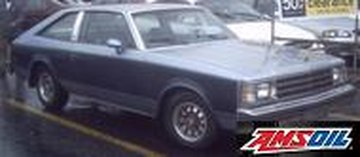
Engine Lubrication Maintenance for the 1981 Buick CENTURY 4.4L
Maintaining the lubrication system of a 1981 Buick CENTURY with the 4.4L engine requires consistent attention to fluid condition and component integrity. As vehicles age, the way they manage heat and internal friction can change, making proactive monitoring more important than simply following a generic schedule. Effective maintenance focuses on preventing contamination and ensuring that the lubricant remains capable of performing its intended tasks under various operating conditions.
Monitoring Fluid Condition and Potential Leaks
One of the most effective ways to monitor the health of the 4.4L engine is through regular visual inspections of the lubrication system. Owners should look for any signs of fluid seepage or active leaks around the engine block and associated sealing surfaces. Even small amounts of oil appearing on the exterior of the engine can be an early indicator that a gasket or seal may be losing its effectiveness due to age or heat cycles.
When performing these inspections, it is helpful to check for:
- Evidence of fluid seepage around various engine junctions.
- The presence of any wet or oily residue on the underside of components.
- Changes in the color or consistency of the oil when checked via the dipstick.
- Any unusual odors that might suggest oil is contacting warmer engine surfaces.
If you notice a significant change in how much oil the engine seems to use between service intervals, this warrants further investigation. While some consumption can occur as engines age, unexpected changes should be addressed to prevent potential issues with lubrication levels.
Managing Long-Term Engine Health
For an owner of a 1981 Buick CENTURY, establishing a maintenance baseline is a practical way to manage the vehicle's longevity. If you do not have access to a complete service history, your first priority should be to document the current state of all fluids and major components. This allows you to track changes over time, making it easier to identify when a component might be approaching the end of its service life.
Rather than replacing parts based solely on the age of the vehicle, focus on condition-based maintenance. This means prioritizing repairs or replacements for items that show actual signs of wear, such as aging hoses (if present) or electrical connections that appear corroded. By focusing on active needs—such as addressing a slow leak or investigating an unusual noise—you can manage maintenance costs more effectively while ensuring the engine remains well-protected.
Keeping a detailed log of when oil is changed, which products are used, and any observations made during routine inspections provides invaluable data. This history becomes especially useful if you ever need to diagnose a complex issue or if you decide to sell the vehicle, as it demonstrates a consistent approach to care.
Observing Potential Warning Signs
While many lubrication issues develop slowly, some symptoms require more immediate attention. It is important to distinguish between minor observations and signs that indicate a need for professional diagnosis. For example, if you notice an unusual mechanical noise while the engine is running, this could be related to various internal or external components and should be investigated promptly.
Other indicators that warrant closer inspection include:
- The appearance of warning lights or indicators on the dashboard related to the lubrication system.
- Changes in how the engine sounds during startup or while idling.
- Visible smoke from the exhaust, which may indicate different types of internal combustion or lubrication issues.
- Evidence of overheating, which can significantly impact the effectiveness of the engine oil.
Because many symptoms can have multiple underlying causes, avoid jumping to conclusions about a specific failed part. Instead, treat these signs as prompts to perform a more thorough inspection or to consult with a technician to determine the exact source of the concern.
Inspecting Auxiliary Components
Beyond the engine oil itself, other components in the engine compartment play a role in overall vehicle reliability. If equipped, accessible drive belts should be inspected for signs of deterioration such as cracking, glazing, or fraying. Similarly, if the vehicle is equipped with various hoses, checking them for softness, swelling, or leaks can prevent unexpected downtime.
Electrical connections and wiring also deserve attention. Over time, heat and vibration can affect the integrity of connectors, which may impact how sensors communicate information to the vehicle's systems. Ensuring that these connections are clean and secure is a fundamental part of comprehensive engine bay maintenance.
Practical Approaches to Lubricant Selection
When it comes to choosing the right products for your 1981 Buick CENTURY, the most important step is to match the lubricant to the specific requirements of your engine. Modern oil formulations offer various options, including conventional oils, synthetic blends, and full synthetic oils. Some formulations are specifically designed as high-mileage oils, which may include additives intended for use in aging engines to help maintain seal integrity.
While some owners look toward advanced synthetics for better thermal stability or deposit control, the primary goal is to ensure the oil meets the necessary standards for your specific application. Always check the product labeling to verify that the oil meets current quality certifications and matches the requirements of your engine's design.
Buying Engine Oil for the 1981 Buick CENTURY 4.4L
To ensure the continued protection of your 4.4L engine, always match your engine oil to the application-specific viscosity and information provided on this webpage. Do not rely on general knowledge or assumptions based on the vehicle's age to select a grade; instead, use the specific details listed in the technical data above. When you are ready to purchase, verify that the container is properly sealed and that the API certification on the label is current. Whether you choose a conventional, synthetic blend, or high-mileage formulation, the most critical factor is adherence to the viscosity and specifications identified for this exact Buick Century application.